
Hybrid Focus Tools: Mixing Gaming Mechanics With Deep Work
Deep work is essential for meaningful progress, but it can be hard to sustain. Long stretches of focused effort don’t always come naturally in a world full of notifications, tabs, and distractions. Hybrid focus tools bridge that gap by borrowing mechanics from games and applying them to concentrated work sessions, making focus feel more structured and engaging.
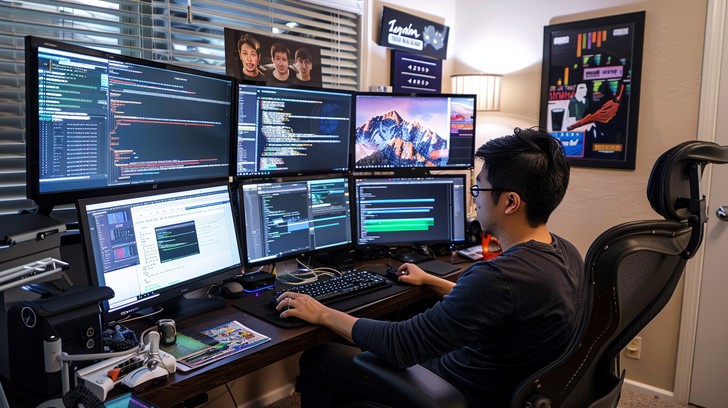
Instead of treating focus as a test of sheer willpower, hybrid tools treat it as a designed experience. Timers, progress bars, streaks, and cooldowns all contribute to a sense of rhythm and momentum, helping you stay in the zone for longer.
Why deep work benefits from game mechanics
Games keep players engaged through a mix of challenge, feedback, and reward. Deep work requires similar elements: tasks that feel meaningful, a way to see progress, and a sense of accomplishment when you complete a session. When your focus system includes these ingredients, staying on task stops feeling like a struggle and starts feeling like a series of intentional sprints.
This is closely related to the ideas behind HUD-style daily workflows, where your most important information is always visible. Hybrid focus tools bring that same clarity into individual work blocks.
Core components of hybrid focus tools
Most hybrid focus setups use some combination of the following components:
- A defined work interval (for example, 25–50 minutes)
- A visible timer or countdown
- A progress bar or visual indicator
- A short cooldown or break period
- XP, streaks, or other rewards for completing sessions
These elements might live inside a dedicated app, a browser-based interface, or even a physical timer paired with a notebook. What matters is the structure, not the specific tool.
Designing your own hybrid focus system
You can build a simple hybrid focus system using tools you already have. The goal is to create a cycle that you can repeat several times per day: a focused work session, followed by a deliberate break, with clear feedback on your progress.
1. Choose your session length
Start with a session length that feels challenging but realistic. Many people use 25 minutes, but you might prefer 40–50 minutes for deeper tasks. The important part is consistency. When your brain knows that focus is time-limited, it’s easier to commit.
2. Add a visible timer and progress bar
A countdown timer and progress bar give you the same kind of real-time feedback you’d get from a status indicator in a game. This can be as simple as a timer app on your screen or a dedicated focus tool. The key is that you can see how far you’ve come and how much time is left.
This kind of visual structure pairs well with gamified to-do lists, where each focus session contributes XP toward your daily or weekly goals.
3. Include cooldowns and recovery
After each work session, schedule a short cooldown period. This might be 5–10 minutes to stand up, stretch, or step away from your screen. Just like cooldowns in games prevent burnout, these breaks help you reset and come back refreshed.
When you stack multiple focus–cooldown cycles, you’re essentially running game loops for routines throughout your day, building a sustainable rhythm of effort and recovery.
4. Reward completed sessions
To reinforce the habit, give yourself small rewards for completing focus sessions. These don’t need to be extravagant. They might be:
- XP added to your habit system
- Progress toward a streak
- A small treat or enjoyable micro-break
By tying each session to a form of XP or level progression, you connect your focus practice to a larger narrative, similar to XP-based habit systems and leveling up real-life tasks.
Choosing tools that fit your style
Different people respond to different levels of structure and visual feedback. Some prefer minimal interfaces that show only a timer and a task. Others enjoy fully gamified experiences with levels, badges, and virtual environments. The best hybrid focus tool is the one you’ll actually use consistently.
Ask yourself:
- Do I prefer simple or visual interfaces?
- Do I like earning points and rewards?
- Do I work better with strict time blocks or flexible ones?
Your answers will help you choose or design a system that fits your personality and workflow.
Integrating hybrid focus tools into your day
Hybrid focus tools work best when they’re anchored to predictable parts of your day. You might schedule:
- Two focus sessions in the morning
- One session after lunch
- One session in the late afternoon
Each session can be tied to a specific project or to the highest-priority items in your gamified to-do list. Over time, these sessions become the backbone of your deep work practice.
The mindset shift: focus as intentional practice
When you use hybrid focus tools, you start treating focus as a skill you’re actively training, not just a state you hope for. Every session becomes a rep. Every completed block is another step in your progression. This mindset makes it easier to stay patient with yourself on harder days, because even partial progress still counts.
Viewed this way, your workdays become an ongoing sequence of loops and levels, much like a game. The difference is that the rewards show up in your real-life results.
Summary / Key takeaways
Hybrid focus tools make deep work more engaging by combining structured time blocks with game-inspired mechanics like timers, progress bars, cooldowns, XP, and streaks. When you link these tools to HUD-style daily workflows, gamified to-do lists, XP-based habit systems, and game loops for routines, you build a system where focus is supported by design instead of forced by willpower. Over time, this turns deep work into a habit that feels less like a struggle and more like a meaningful, repeatable practice.
Reviewed by HGH Editorial