
The Psychology of Slow Gaming
Not all games are designed to excite, challenge, or stimulate. Some are intentionally slow, gentle, and emotionally grounding. Slow gaming is a growing movement that embraces calm, mindful play instead of speed, intensity, or competition. It’s rooted in psychology, wellbeing, and the desire to create a healthier relationship with digital entertainment.
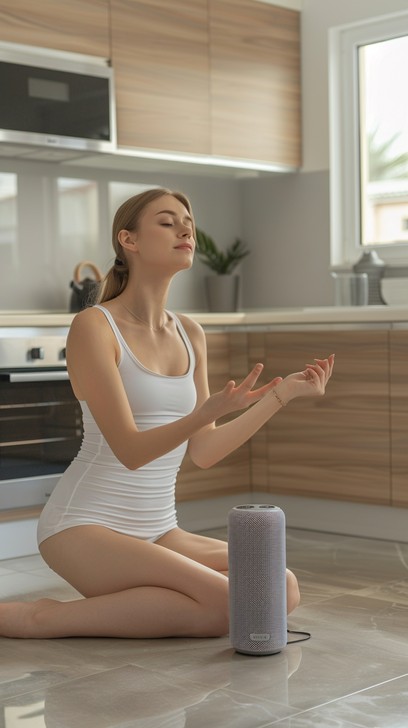
This guide explores the psychology behind slow gaming and why it’s becoming an essential part of modern digital wellbeing. It also connects naturally with related topics like micro-breaks, digital-life rhythms, calm tech, digital sanctuaries, and daily reset rituals.
What is slow gaming?
Slow gaming is a style of play that emphasizes relaxation, exploration, and emotional presence. Instead of rushing through objectives or competing with others, slow gaming encourages you to savor the experience.
Slow gaming often includes:
- Gentle pacing
- Minimal pressure or urgency
- Atmospheric environments
- Soft soundscapes
- Simple, intuitive mechanics
- Open-ended exploration
It’s the gaming equivalent of slow living—intentional, mindful, and restorative.
The psychology behind slow gaming
Slow gaming works because it aligns with how the brain processes stress, attention, and emotional regulation. Here are the key psychological principles behind it:
1. Reduced cognitive load
Fast-paced games demand constant decision-making, which increases cognitive load. Slow games reduce this load, allowing your mind to relax and recover.
2. Activation of the parasympathetic nervous system
Calming visuals, soft audio, and gentle pacing activate the “rest and digest” system, helping your body shift out of stress mode.
3. Flow without pressure
Slow games create a gentle form of flow—immersive but not demanding. This supports emotional balance and reduces anxiety.
4. Mindfulness and presence
Slow gaming encourages you to notice small details, breathe deeply, and stay present—similar to mindfulness practices.
5. Emotional decompression
Slow games help you process emotions by giving your mind space to unwind. This aligns with the emotional-regulation principles explored in calm tech.
Why slow gaming supports digital wellbeing
Slow gaming is more than a genre—it’s a wellbeing tool. It helps you:
- Reduce stress
- Recover from digital overload
- Transition out of work mode
- Improve emotional regulation
- Build healthier digital habits
It’s especially effective when paired with micro-breaks and daily reset rituals.
Characteristics of slow games
Slow games share several psychological and design elements that make them calming and restorative.
1. Gentle pacing
There’s no rush, no countdown, and no pressure to perform. You move at your own speed.
2. Soft audiovisual design
Slow games use warm colors, soft lighting, and ambient soundscapes to create a soothing atmosphere.
3. Low-stakes interaction
There are no fail states, high-pressure decisions, or competitive elements.
4. Open-ended exploration
You’re free to wander, observe, and enjoy the environment without objectives.
5. Emotional storytelling
Slow games often use subtle, reflective storytelling that encourages introspection.
Examples of slow gaming experiences
Slow gaming spans many genres. Here are some common types:
1. Ambient exploration games
These games focus on atmosphere and gentle movement. They’re perfect for emotional decompression.
2. Cozy life-sim games
Farming, decorating, and crafting games offer slow, repetitive tasks that soothe the mind.
3. Meditative puzzle games
Simple, calming puzzles help you relax without overwhelming your brain.
4. Narrative slow-burn games
These games use quiet storytelling and emotional depth instead of action.
How slow gaming improves emotional regulation
Slow gaming helps you regulate your emotions by:
- Lowering stress hormones
- Encouraging slower breathing
- Reducing overstimulation
- Creating emotional spaciousness
- Supporting reflective thinking
These benefits align with the principles explored in digital sanctuary design.
How to integrate slow gaming into your routine
Slow gaming works best when it becomes part of your daily or weekly rhythm.
1. Use slow gaming as a transition ritual
Play for 10–20 minutes after work to shift your mind into a calmer state.
2. Pair slow gaming with micro-breaks
Use short sessions during the day to reset your mind. Learn more in Micro-Breaks That Reset Your Mind.
3. Use slow gaming in the evening
Slow games pair beautifully with evening reset rituals that prepare you for rest.
4. Create a slow gaming environment
Use warm lighting, soft seating, and minimal clutter to enhance the experience.
5. Use slow gaming to support your digital-life rhythm
Slow gaming helps you maintain a healthy digital-life rhythm by balancing stimulation and rest.
Slow gaming as a form of digital sanctuary
Slow gaming can become a personal sanctuary—a safe, calming space where you can decompress and reconnect with yourself.
It pairs naturally with the principles explored in How to Create a Personal Digital Sanctuary.
Why slow gaming is rising in popularity
People are turning to slow gaming because:
- Life feels faster and more demanding
- Digital overstimulation is increasing
- People crave calm, grounding experiences
- Wellbeing-focused entertainment is growing
Slow gaming offers a gentle alternative to high-intensity digital life.
Summary / Key takeaways
Slow gaming is a mindful, calming approach to digital entertainment that supports emotional regulation, reduces stress, and improves digital wellbeing. By embracing gentle pacing, soft audiovisual design, and low-pressure interaction, slow gaming helps you unwind and reconnect with yourself. When combined with micro-breaks, digital-life rhythms, calm tech, digital sanctuaries, and daily reset rituals, slow gaming becomes a powerful tool for emotional balance and modern wellbeing.
Reviewed by HGH Editorial